How to Store Bullion: Home, Bank Boxes and Private Vaults
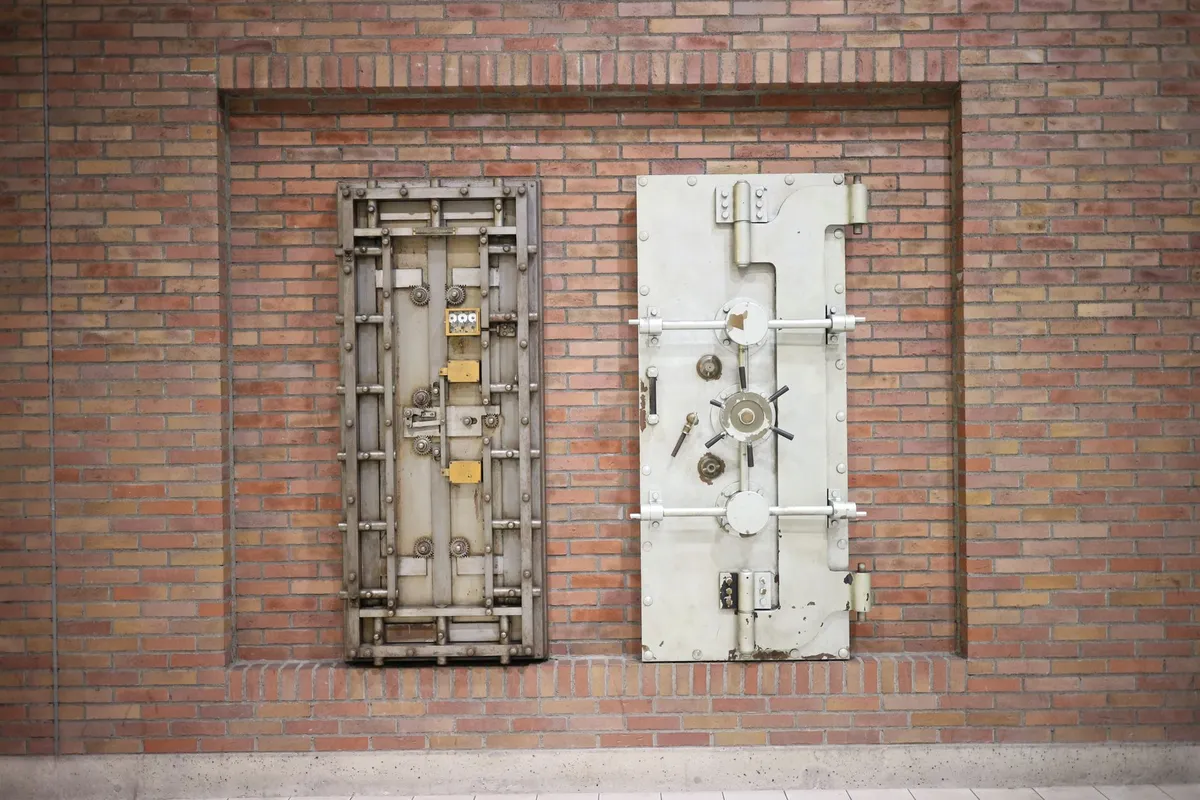
Buying gold or silver is the easy part. Keeping it safe, in good condition and easy to sell later takes more thought. Every storage option involves a trade-off between access, cost, security and the risk of loss. Understanding those trade-offs before the metal arrives avoids expensive mistakes.
Storing bullion at home
Home storage gives immediate access and no ongoing fees, which is why many people keep at least part of their metal close by. It also concentrates risk: burglary, fire, flood and simple misplacement.
A few principles help:
- A real safe. Choose a safe rated for burglary resistance, and ideally for fire as well. Bolt it to the floor or a wall so it cannot be carried away. Small, light lockboxes deter casual curiosity, not determined thieves.
- Discretion. The best protection is that nobody knows the metal is there. Avoid discussing holdings, be careful with deliveries and packaging, and do not post photos online.
- Spread the risk. Some owners split metal between a safe and one or two less obvious places, so a single break-in does not take everything.
- Insurance. Standard homeowner or renter policies often cap coverage for coins and bullion at a low amount. A separate rider or a specialist policy may be needed, and insurers may ask for proof of ownership and details of how the metal is stored.
- Bulk. Silver takes far more space than gold for the same value. Plan for its weight before buying. See gold vs silver for the comparison.
Bank safe deposit boxes
A safe deposit box offers strong physical security at a modest annual fee. It is a popular choice for gold and smaller quantities of silver.
Limitations are worth understanding:
- Contents are generally not insured by the bank. In the United States, deposit insurance from the FDIC covers deposit accounts, not the contents of safe deposit boxes. Rental agreements usually limit the bank’s liability. Separate insurance is needed to cover the contents.
- Access is limited to banking hours, and can be disrupted by holidays, branch closures or emergencies.
- No inventory is kept by the bank. The bank does not know what is inside, so the renter must document it.
- Size limits make large silver holdings impractical.
Private vaults: allocated vs unallocated
Professional depositories specialize in storing precious metals, often with insurance included and regular audits. How the metal is held matters as much as where.
| Type | What you own | Main risk |
|---|---|---|
| Unallocated | A claim on metal of a given weight, pooled with others | You are a creditor of the provider if it fails |
| Allocated | Specific bars or coins, identified by serial number or listing, held for you | Depends on the vault’s honesty and audits |
| Segregated | Your own items stored physically apart from everyone else’s | Highest cost; same need for audits |
Unallocated storage is cheap and convenient, and is common in bank metal accounts. But the provider owns the metal, and you hold a promise. If the provider becomes insolvent, you may rank alongside other creditors.
Allocated storage means specific items are assigned to you and remain your property. Bar lists with serial numbers, weights and fineness should be available.
Segregated storage goes a step further: your coins or bars are kept in a separate container or space, so you get back the exact items you deposited. This matters for coins with numismatic value or specific bars you want to keep. The difference between owning metal and owning a claim on it is explored further in COMEX paper vs physical.
When comparing vaults, ask about audit frequency and who performs it, the insurer and its coverage limits, the jurisdiction, the fees, and how withdrawals or sales work in practice.
Handling coins and bars
Physical condition affects value, especially for coins.
- Wear cotton or nitrile gloves, or hold coins by the edges. Fingerprints contain oils and salts that can leave permanent marks.
- Use capsules, tubes and original packaging. Mint tubes and individual capsules protect against scratches and air. Keep bars in their assay cards or sealed packaging where they came that way.
- Never clean coins. Polishing, dipping or abrasive cleaning removes metal and leaves hairline scratches. For collectible coins, cleaning can sharply reduce value; for bullion, it can make a coin harder to sell.
- Control humidity. Silver tarnishes, and some packaging materials release chemicals that cause spots. Desiccant packs and inert, PVC-free holders help. Gold is far more stable.
Records and documentation
Good records protect you if something goes wrong and make eventual sales easier.
- Inventory: list each item with description, weight, fineness, quantity, and serial numbers for bars.
- Proof of purchase: keep invoices showing date, price and seller.
- Photographs: useful for insurance claims.
- Storage details: vault agreements, bar lists, safe deposit box contracts and insurance policies.
- Instructions for heirs: someone you trust should know where the metal is and how to access it. Metal that nobody can find is lost.
Keep copies of these records somewhere other than with the metal itself.
Key points
- Home storage offers access but needs a solid safe, discretion and proper insurance.
- Bank boxes are secure but their contents are typically not insured by the bank.
- Allocated or segregated vault storage gives ownership of specific metal; unallocated gives a claim.
- Handle coins carefully and never clean them.
- Clear records and instructions for heirs are part of storage, not an afterthought.
This article may contain partner links. They never influence what we write.