China, India and Asian Demand: The Physical Heart of the Gold Market
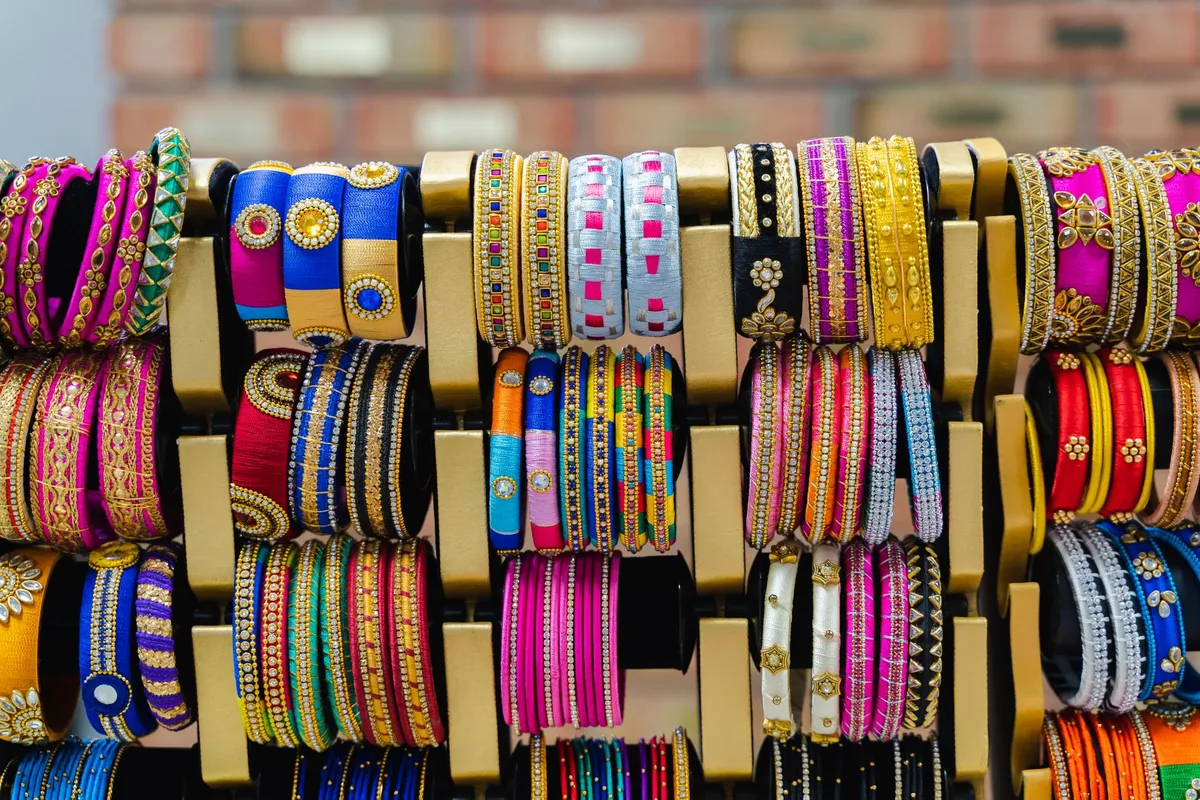
Western headlines about gold tend to focus on the Federal Reserve, futures positioning and exchange-traded funds. In tonnage terms, though, much of the world’s physical gold flows east. China and India are consistently the two largest consumer markets, and their buying of jewelry, bars and coins shapes the market in ways that daily price commentary often misses.
India: gold as culture and savings
In India, gold is woven into family life. It is given at weddings, worn as jewelry, passed between generations and held as a store of savings, especially in rural areas where access to banks has historically been limited. Jewelry dominates demand, with bars and coins making up a smaller but meaningful share.
Demand follows a clear calendar:
| Occasion | Why it matters |
|---|---|
| Wedding season | Jewelry is a central part of the dowry and gifts |
| Akshaya Tritiya (spring) | Considered an auspicious day to buy gold |
| Dhanteras | Opens the Diwali festival period with traditional buying of metal |
| Diwali | Gifting and purchases peak in the autumn festival season |
| Harvest and monsoon | Good rains lift rural incomes and gold buying |
Indian buyers are notably price-sensitive. Sharp price rises can cause shoppers to postpone purchases or trade in old jewelry, while dips often bring them back. Local prices also depend on the rupee, so a weaker currency can make gold expensive in India even when the dollar price is flat.
Import duties and smuggling
India produces very little gold, so nearly all demand is met by imports, which weigh on the country’s trade balance. Governments have used import duties to manage this. In 2013, facing a wide current-account deficit, authorities raised duties several times and introduced additional import restrictions.
Higher duties had a predictable side effect: smuggling increased, as the gap between domestic and international prices made illicit imports profitable. When duties were later reduced, official imports tended to recover and the incentive to smuggle shrank. Policy has also tried to bring household gold into the financial system through gold-backed bonds and deposit schemes, with mixed results.
India and silver
India is also one of the world’s largest consumers of silver. Silver is used for jewelry, anklets, utensils, religious items and coins, and is often seen as the more affordable alternative to gold for rural buyers. Industrial demand from electronics and solar manufacturing has grown alongside the traditional uses. Import volumes can swing sharply from year to year depending on prices and stock levels, which makes India an important swing factor in the silver market. Our guide to what moves silver prices puts this in a wider context.
China: the Shanghai Gold Exchange and the yuan benchmark
China liberalized its gold market gradually. The Shanghai Gold Exchange (SGE), founded in 2002, became the central venue for wholesale physical trading in the country. Banks, refiners, jewelers and, through member firms, individual investors trade standardized bars there.
In 2016 the SGE launched a yuan-denominated gold benchmark price, set through auctions on the exchange. It was part of a broader push to give China more influence over pricing of a commodity it consumes in large quantities, and to make the yuan more relevant in commodity markets.
Withdrawals from SGE vaults are watched by analysts as a rough indicator of Chinese wholesale demand, though they are an imperfect measure because metal can be withdrawn, recycled and redeposited.
Chinese retail buying and the central bank
Chinese households buy gold jewelry, small bars and coins as a savings vehicle, particularly when other assets look unattractive. Periods of weakness in property or local equity markets, or limited options for moving money abroad, have tended to push savers toward gold. Lunar New Year is a seasonal high point for buying and gifting.
The People’s Bank of China adds a separate layer of demand. It manages the country’s official reserves, holds a large gold stockpile and has reported additions in several waves over the years. Gold still represents a relatively small portion of China’s total reserves compared with many Western central banks. More on official buyers appears in our guide to central banks and gold.
China also imports most of its gold through licensed banks, under a system controlled by the authorities, and is one of the world’s largest gold-mining countries, with domestic output largely consumed at home.
Hong Kong and Swiss flows
Physical gold moving to Asia often follows a well-worn route. Large Good Delivery bars stored in London are flown to Switzerland, home to several of the world’s biggest refineries, where they are melted and recast into the smaller kilobars and purer formats preferred in Asian markets. From there, metal travels to Hong Kong, mainland China, India, Singapore and the Middle East.
Swiss and Hong Kong trade statistics, published regularly by their customs authorities, are therefore used as an indirect gauge of Asian demand. Shifts in these flows can signal whether metal is moving from Western vaults to Eastern buyers or the reverse.
Why Asian physical demand matters for price floors
Asian buyers tend to purchase when prices fall and pull back when they rise sharply. That behavior helps absorb metal sold by Western investors during sell-offs, and many analysts see it as a stabilizing force under the market. It does not set the price day to day, which is still driven largely by futures and Western investment flows, but it influences how deep and how long declines become.
Key points
- India and China are the world’s largest consumer markets for gold, and India is a major silver buyer.
- Indian demand follows weddings, festivals and harvests, and responds strongly to price and import duties.
- The Shanghai Gold Exchange, founded in 2002, and its 2016 yuan benchmark anchor Chinese wholesale trade.
- Swiss refineries and Hong Kong link London’s stocks to Asian buyers.
- Price-sensitive Asian buying often supports the market during Western sell-offs. Explore the gold section for more.
This article may contain partner links. They never influence what we write.