What Moves Silver Prices: Industry, Investors and Mine Supply
Silver has a reputation as the restless sibling of gold. Its price can drift for months, then jump or slide in a matter of days. That behavior is easier to understand once you see how many different groups buy and sell the metal, and how little the supply side can respond to price. Below are the main forces, roughly in the order that analysts tend to weigh them.
Industrial demand
Silver has the highest electrical and thermal conductivity of any metal, and it is also reflective, malleable and antibacterial. Those properties make it hard to replace in many uses. Industrial applications account for roughly half of annual demand, which ties silver closely to the health of the global economy.
Key industrial uses include:
- Electronics and electrical: contacts, switches, connectors, printed circuit boards and membrane keyboards.
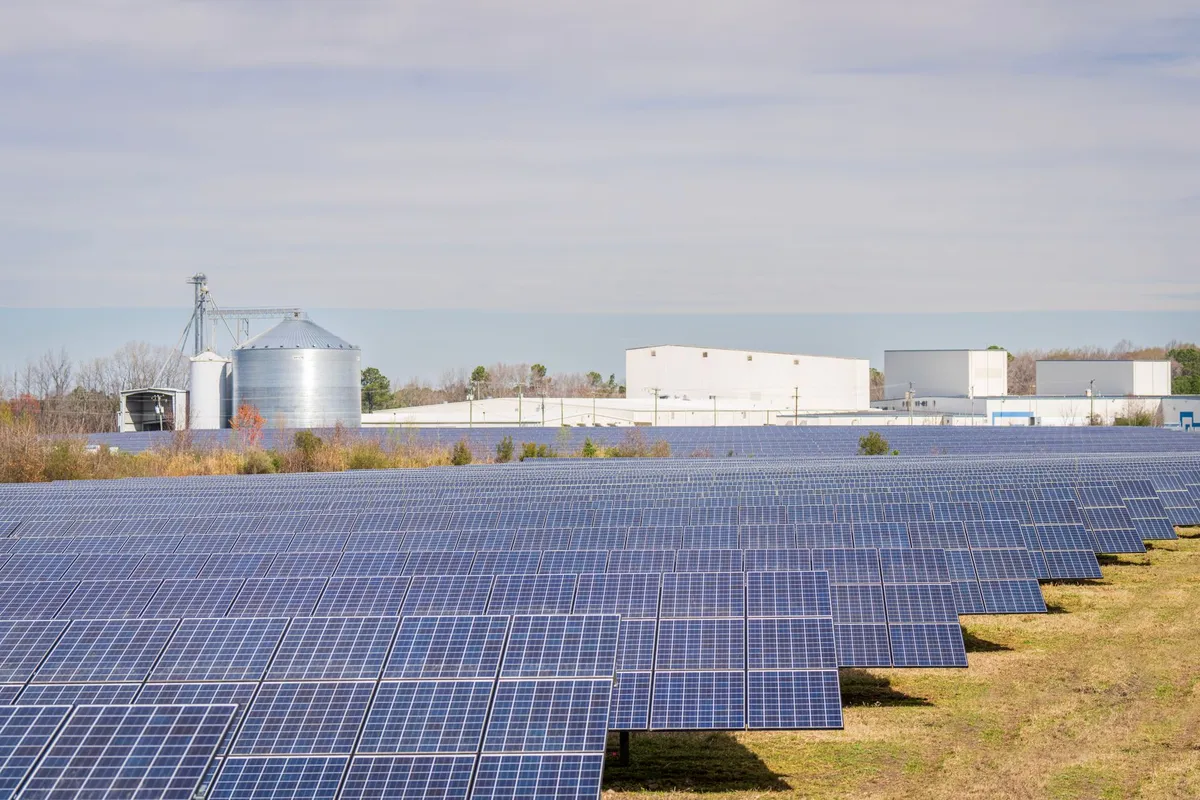
- Solar photovoltaics: silver paste carries current across the surface of most crystalline silicon solar cells. This has become one of the largest single sources of demand.
- Brazing and soldering alloys: used to join metals in plumbing, air conditioning and industrial equipment.
- Chemical catalysts: notably in the production of ethylene oxide, a building block for plastics.
- Medical and hygiene uses: wound dressings and coatings that exploit silver’s antibacterial effect.
- Automotive: a growing number of electrical components per vehicle, especially in electric and hybrid cars.
When manufacturing slows, industrial silver demand usually slows with it. Manufacturers also work constantly to thrift, or reduce, the silver content per unit, so higher volumes do not always translate into proportionally higher demand.
Investment demand
Investment demand takes several forms. Physical buyers purchase bullion coins, bars and bags of pre-1965 90% silver coins. Exchange-traded funds hold silver in vaults on behalf of shareholders, and their holdings can rise or fall by large amounts in a short time. Investment flows are often the swing factor that turns a quiet market into a sharp rally or decline, because industrial users buy steadily while investors move in waves.
Investment demand also tends to rise during periods of financial stress, inflation worries or currency weakness, which links silver to the same macro factors that move gold.
Jewelry and silverware
Jewelry is a major and relatively steady source of demand, with India one of the largest markets. Silverware and decorative objects are smaller and have declined over the long run in many Western countries, but remain culturally important in parts of Asia. These buyers are usually price-sensitive: they tend to buy more on dips and hold back when prices spike.
Mine supply and recycling
Unlike gold, most silver is not mined for its own sake. A large share of output comes as a by-product of mining lead-zinc, copper and gold ores. Mexico is the largest producer, with Peru, China and several other countries also significant.
This matters for prices. When silver rises, a copper or zinc miner does not open a new mine to capture it, because silver is a minor part of its revenue. When silver falls, by-product output continues regardless. Supply therefore responds slowly and weakly to the silver price itself.
Recycling adds another stream, mainly from industrial scrap, old jewelry and silverware, and photographic materials. Scrap supply tends to rise when prices are high, as owners sell old items, and to shrink when prices are low.
The link with gold
Silver often follows gold’s direction, especially over days and weeks, because both respond to interest rates, the US dollar and safe-haven sentiment. Silver usually moves more than gold in percentage terms. Traders track this relationship through the gold-silver ratio, which tends to rise when silver underperforms in a downturn and to fall when silver catches up in a strong rally. For gold’s own drivers, see what moves gold prices.
Futures positioning
A large part of daily price discovery takes place on futures exchanges, especially COMEX in New York, where a standard silver contract covers 5,000 troy ounces. Speculators such as hedge funds and commodity trading advisers can build large long or short positions quickly. When they all lean the same way and then reverse, prices can swing sharply. The weekly Commitments of Traders report is the standard tool for seeing how these groups are positioned.
India and China
The two most populous countries play an outsized role. India imports large quantities of silver for jewelry, silverware and investment, and its buying is sensitive to local prices, import duties, the rupee and the harvest and wedding seasons. China is both a major producer and a major consumer, with heavy industrial use, especially in solar manufacturing and electronics. Shifts in either country’s demand can show up in local premiums or discounts before they show up in the international price.
Key points
| Driver | Typical effect |
|---|---|
| Strong manufacturing and solar build-out | Supports demand |
| Recession and falling factory output | Weighs on demand |
| Investor inflows to coins, bars and ETFs | Often the swing factor |
| By-product mine supply | Responds weakly to price |
| Speculative futures positioning | Amplifies short-term moves |
| Gold rising or falling | Silver usually follows, with larger moves |
No single factor explains silver on its own. The price at any moment reflects the balance between steady industrial use, volatile investment flows and a supply side that cannot react quickly.
This article may contain partner links. They never influence what we write.