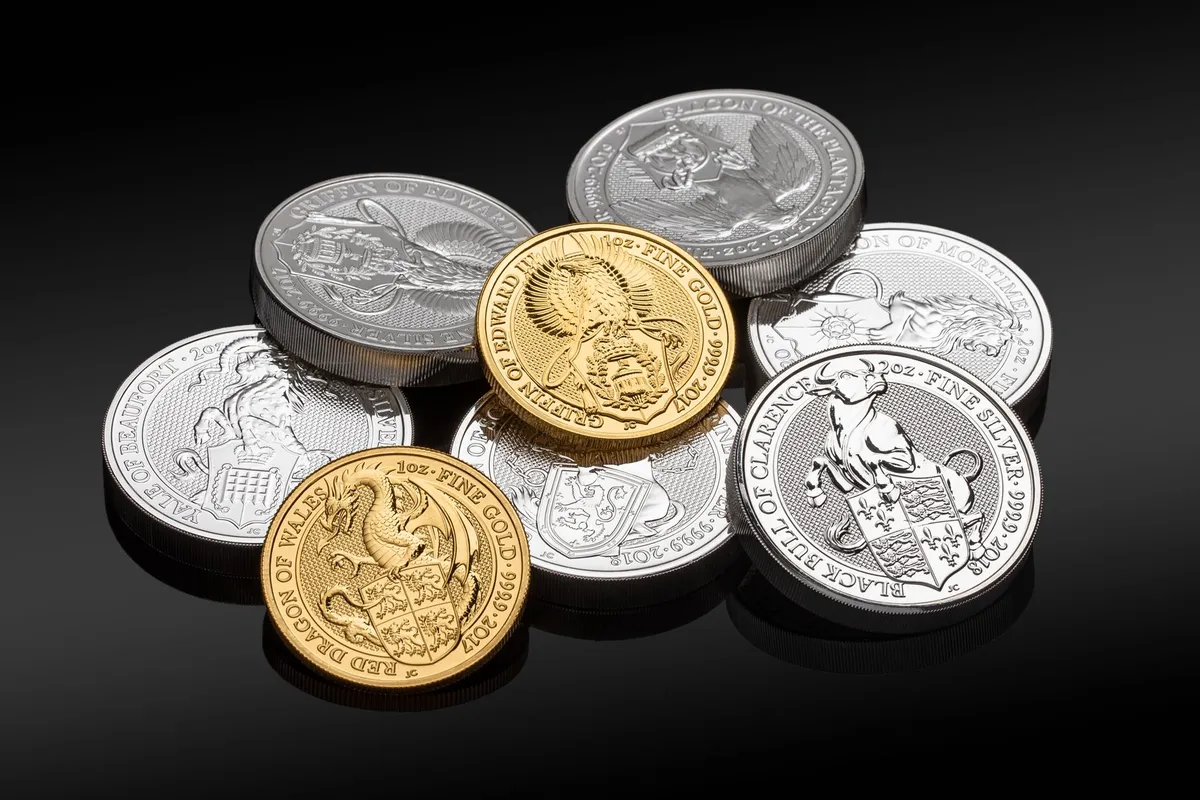
Gold
Gold vs Silver: How the Two Precious Metals Really Differ
Gold and silver share a monetary past but behave very differently today, from volatility and storage bulk to premiums, liquidity and demand.
Gold and silver share a monetary past but behave very differently today, from volatility and storage bulk to premiums, liquidity and demand.
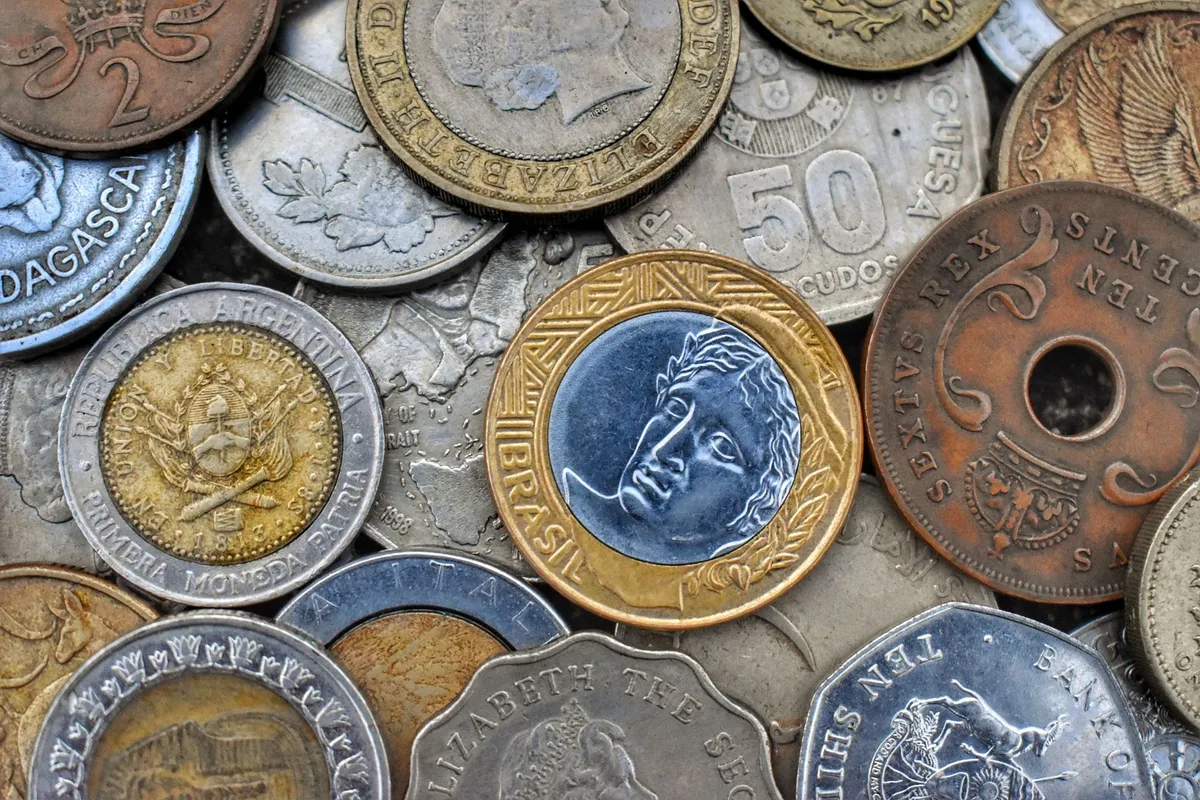
How 90% silver US coins work as bullion, how much silver $1 face value contains, what a $1,000 face bag is, and how 40% Kennedy halves differ.

What the gold-silver ratio measures, how to calculate it, where it has stood in history, and why it cannot predict prices on its own.

A clear guide to the forces behind silver prices, from solar panels and electronics to coin demand, by-product mining, recycling and futures markets.

How Indian festivals and import duties, the Shanghai Gold Exchange, Chinese retail buying and Swiss and Hong Kong flows shape physical gold demand.

A practical guide to storing gold and silver: home safes, bank safe deposit boxes, allocated and segregated vaults, coin handling and record keeping.
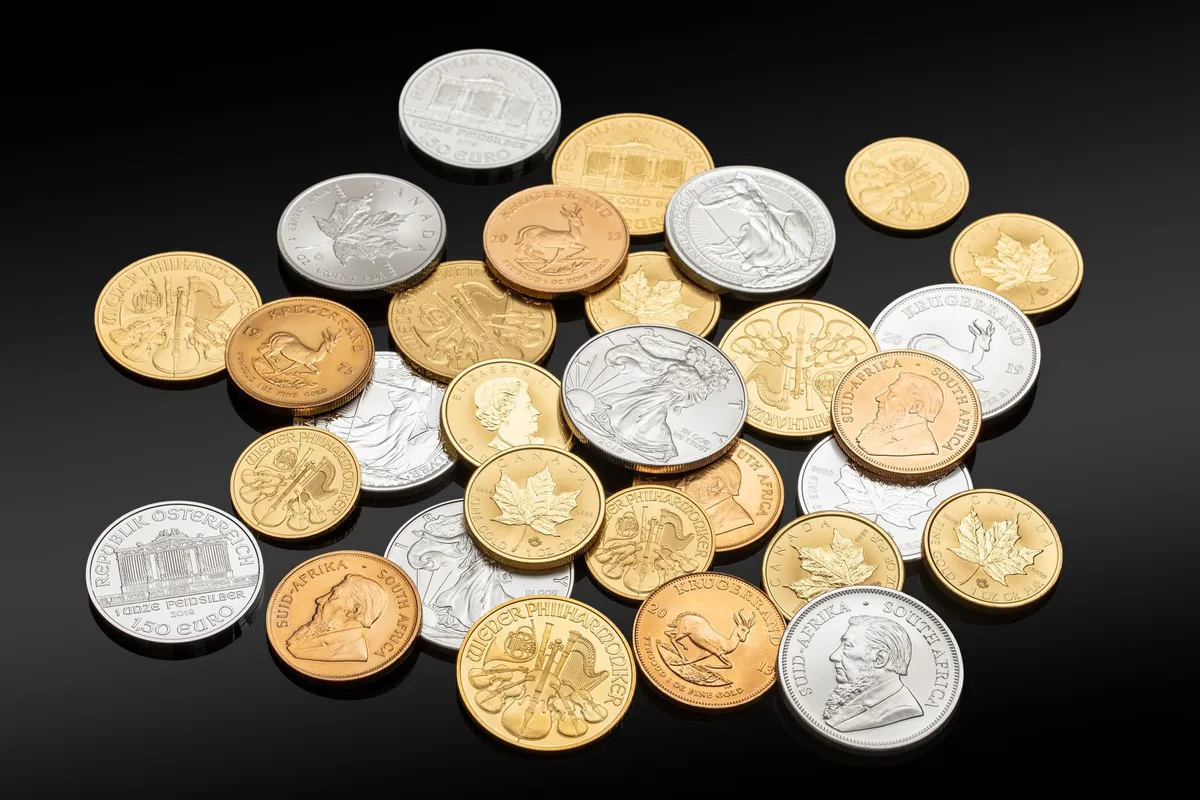
What US Mint, Perth Mint and Royal Canadian Mint sales figures measure, why they spike in crises, and why they are an imperfect sentiment gauge.

The main drivers of gold prices explained: real interest rates, the dollar, safe-haven demand, ETFs, central banks, Asian jewelry and futures traders.

Why central banks keep gold, how the 1971 break with convertibility and the sales era shaped reserves, and what official buying means for price.
How real interest rates, quantitative easing, the dollar and Fed communication influence gold and silver, and why the link is never mechanical.

How COMEX futures, the London OTC market and ETFs relate to physical gold and silver, and why paper trading volumes dwarf the metal in vaults.

A practical guide to the CFTC's weekly COT report: trader categories, legacy versus disaggregated formats, how analysts read it and its limits.
Silver & Gold Coin Blog is a small library of explainers about precious metals. Each guide takes one question, such as why central banks buy gold, what the Commitments of Traders report shows or how a bag of old US silver coins is valued, and answers it in plain English, with the history and mechanics needed to make sense of it. The aim is understanding, not tips: you will not find price forecasts or recommendations to buy or sell here.
The guides fall into four broad areas, each with its own section.
Daily market commentary has its place, but it ages quickly. A note explaining why gold rose on a Tuesday is rarely useful a month later, and a long archive of such notes is hard to learn from. Many readers arrive with a more basic question: what actually drives these prices, and how do the pieces of the market connect?
Evergreen guides answer that question in a form that stays useful. They describe mechanisms, such as how real interest rates affect the cost of holding gold or why futures volumes dwarf physical supply, and they use historical episodes as illustrations rather than as news. When a figure appears, it is a historical one that can be checked, not a current price that will be out of date by tomorrow. Once you understand the mechanisms, the daily headlines become much easier to interpret on your own.
If you are new to precious metals, start with gold versus silver, which sets out how the two metals differ in supply, demand, volatility and practical handling. Then read the companion guides on what moves gold prices and what moves silver prices, which map the main drivers of each. The gold-silver ratio guide shows how the two prices relate over time and why the ratio is watched.
For the policy side, interest rates, QE and precious metals explains real yields, the 2013 taper tantrum and why jobs reports move metals. Central banks and gold traces official reserves from the end of dollar convertibility in 1971 to the buying of recent years.
To understand how prices are formed, read COMEX, paper and physical, then reading the Commitments of Traders report. Demand from the world’s largest consuming countries is covered in China, India and Asian demand, while reading mint bullion coin sales explains what headline coin figures do and do not show.
Finally, two practical guides deal with physical metal: 90 percent silver coin bags, on pre-1965 US coinage, and how to store bullion, on home storage, bank boxes and professional vaults.
Each guide stands on its own, so you can start wherever your question lies. Guides link to one another where a topic overlaps, and the four sections group them by theme. Tables and lists summarize key facts, and most guides close with a short recap for quick review.
Nothing here is personal financial advice. The guides describe how markets and products work; whether metals suit your own situation depends on factors only you, or an adviser who knows your circumstances, can weigh. Where a fact is uncertain or disputed, the guides say so rather than guess. More about the editorial approach is on the about page.
This web address was once used by a precious-metals dealer’s blog that published daily market notes until about 2018. The current site is independent and run by a new editorial team. It has no connection with Investment Rarities or any other dealer, does not sell metals and is not affiliated with any mint, exchange or regulator. All the content published here is new and written for this site.
What moves the metals, how the markets work and how to hold coins and bullion sensibly
Silver